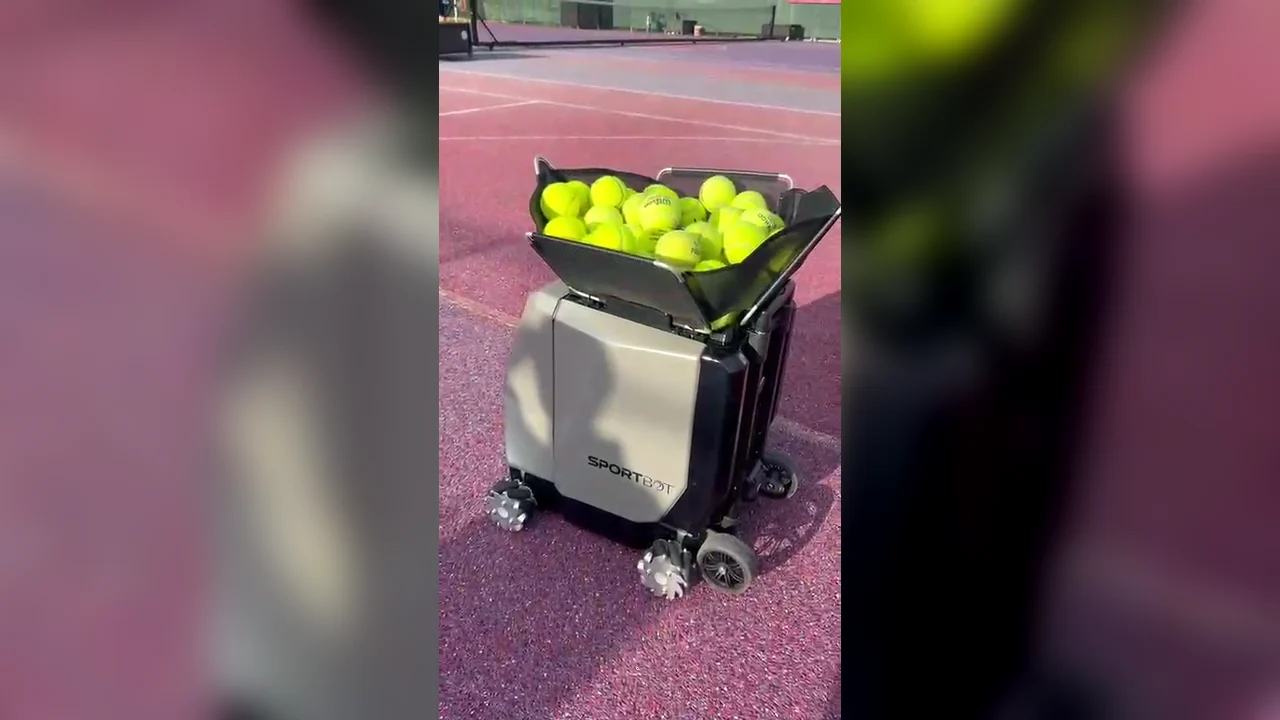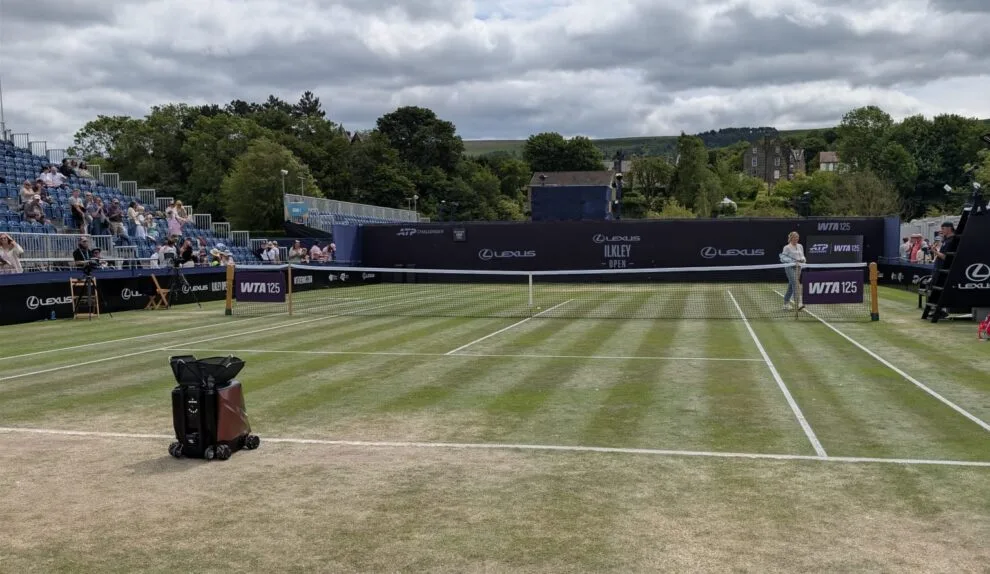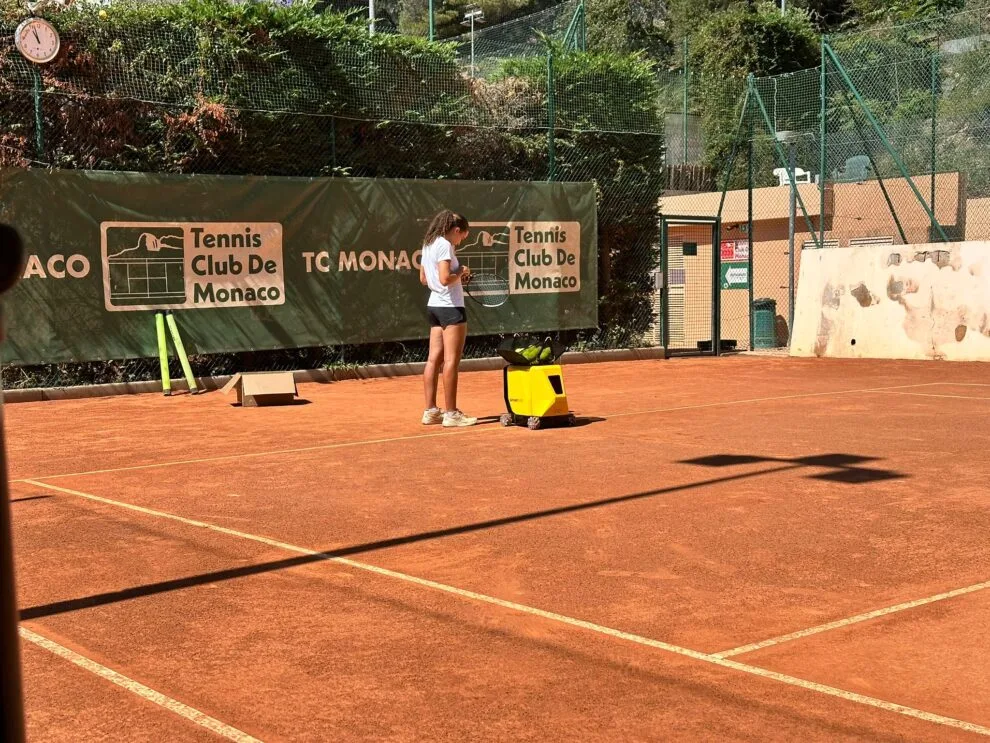
Sportbot’s appearance on clay courts in Monaco marked a practical milestone: the moving tennis ball launcher was no longer only a prototype story, but a training tool being tested in a premium tennis environment.
Why Monaco mattered
For Toni Ulcar, Monaco carried a personal reference point because the Monte Carlo tennis setting had long represented a high standard for the sport. Seeing Sportbot on nearby clay courts made the progress from early prototypes to real court use concrete.
What the court test showed
Clay rewards timing, spacing, recovery, and patience. A moving machine is useful in that setting because players do not only need balls fed to one fixed location. They need repetitions that ask them to adjust, recover, and prepare for the next shot.
What this means for coaches
The goal is not to replace the coach. It is to give coaches a more realistic repetition tool so they can observe movement, decision making, and contact quality while the machine handles consistent ball delivery.
For tennis clubs, the Monaco test is a simple signal: autonomous ball training becomes more valuable when the machine can move with the practice, not just stand still behind the baseline.